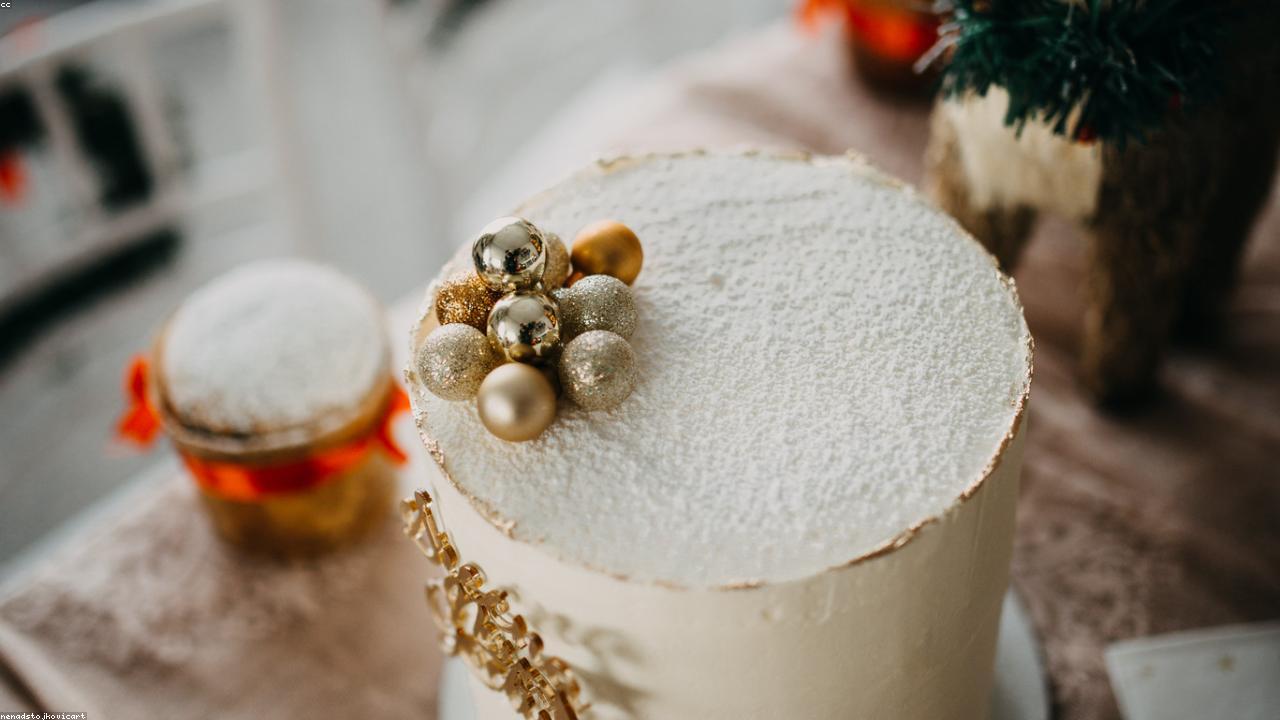
Tres leches — literally "three milks" — is a cake defined by what it drinks rather than what it is. A plain sponge is baked, then drowned in a mixture of three dairy products until it is saturated to the point of dripping. The result sits somewhere between cake and pudding: cool, milky, lightly sweet, and so moist that it pools liquid on the plate.
The trick that makes it work is counter-intuitive. To absorb that much liquid without collapsing into paste, the cake has to be drier and leaner than an everyday sponge, not richer. Understanding that single piece of food science explains everything about how tres leches is made.
The three milks, and why each one matters
The soak is the soul of the cake. The classic formula combines three dairy elements, each doing a different job:
- Evaporated milk — milk with about 60% of its water removed. It brings concentrated, slightly caramelised milk flavour and body without much added sugar.
- Sweetened condensed milk — evaporated milk with sugar dissolved into it. This is the sweetener and the source of the soak's silky, clinging texture.
- Heavy cream or whole milk — the third "milk" thins the mixture to a pourable, drinkable consistency and adds fat for richness. Recipes split here: cream gives a plusher result, whole milk a lighter, more soakable one.
Whisked together, the three become a sweet, pourable milk bath that the sponge soaks up over hours in the fridge.
The science: a lean sponge that drinks
Here is the heart of the technique. A buttery, tender cake — the kind you would want for most occasions — is the wrong cake for tres leches. Fat coats the flour's starch and protein, waterproofing the crumb so it repels the milk soak. Pour three milks over a rich butter cake and the liquid runs off; the cake stays dense and the milk sits in a puddle.
Tres leches instead uses a lean, egg-foam sponge — typically a genoise- or chiffon-style cake leavened mostly by whipped eggs, with little or no added fat. That airy, open structure is full of tiny holes and exposed starch, so it behaves like a sponge in the literal sense: it wicks the milk deep into every crumb. Many recipes separate the eggs, whipping the whites to a meringue and folding them in, to build an even more absorbent scaffold.
The payoff is a cake that can hold an astonishing volume of liquid and still slice cleanly — wet through, but structurally intact rather than collapsing into mush.
Meringue or whipped cream on top
A saturated cake needs a contrasting crown, and there are two traditional schools:
- Whipped cream — lightly sweetened, spread in a cool, billowy layer. It echoes the milky interior and keeps the whole dessert soft and creamy.
- Meringue — whipped egg whites and sugar, sometimes cooked Italian- or Swiss-style for stability. A meringue top gives a glossier, marshmallowy contrast and is especially common in some Latin American traditions.
A dusting of ground cinnamon, and sometimes a few maraschino cherries or fresh fruit, finishes the classic presentation.
Contested origins across Latin America
Where tres leches comes from is genuinely disputed, and we will not pretend otherwise. The cake is claimed with conviction in several countries — Mexico and Nicaragua are the two most frequently and forcefully cited, with versions also deeply rooted across Central America and the wider Spanish-speaking world.
What is clear is the enabling technology. Soaking cakes in liquid is an old European idea, but the specific three-milk soak depends on shelf-stable canned milks — and those spread widely through Latin America in the twentieth century. Nestlé and other condensed-milk producers printed tres leches recipes on their can labels, which did enormous work to standardise and popularise the dessert across borders. That commercial distribution is a real reason the same cake appears, claimed as local, in so many places at once. Rather than crown a single inventor, it is more honest to call tres leches a shared Latin American classic.
The chocolate tres leches variant
Once the format is understood, it bends easily to new flavours, and the most popular spin-off is chocolate tres leches (tres leches de chocolate). It works on two fronts:
- The sponge itself can be made with cocoa for a chocolate crumb.
- The milk soak can be enriched with melted chocolate or cocoa, so the cake drinks a chocolate-milk bath rather than a plain one.
Other regional riffs include café (coffee) tres leches, versions spiked with rum or dulce de leche, and tropical takes folding in coconut milk as one of the three. The framework — lean sponge, generous soak, cool creamy top — stays the same.
Frequently asked questions
Why doesn't tres leches cake turn soggy?add
Because it is built on a lean, fat-free egg-foam sponge rather than a rich butter cake. The open, low-fat crumb wicks the milk evenly throughout instead of letting it pool, so the cake stays uniformly wet and sliceable rather than collapsing into mush.
What are the three milks in tres leches?add
Evaporated milk, sweetened condensed milk, and a third dairy element that is usually heavy cream or whole milk. The first two bring concentrated flavour and sweetness; the third thins the mixture into a pourable soak.
Which country invented tres leches cake?add
It is genuinely contested. Mexico and Nicaragua are the most commonly cited origins, with strong claims across Central America too. The spread of canned condensed milk and recipes printed on can labels helped the cake appear nearly simultaneously across Latin America, so it is best treated as a shared regional classic.
How long should tres leches soak?add
Pour the milk over a cooled cake and refrigerate it, ideally overnight, so the soak penetrates fully and the cake chills. A few hours will do in a pinch, but a longer soak gives the most even, milky result.